
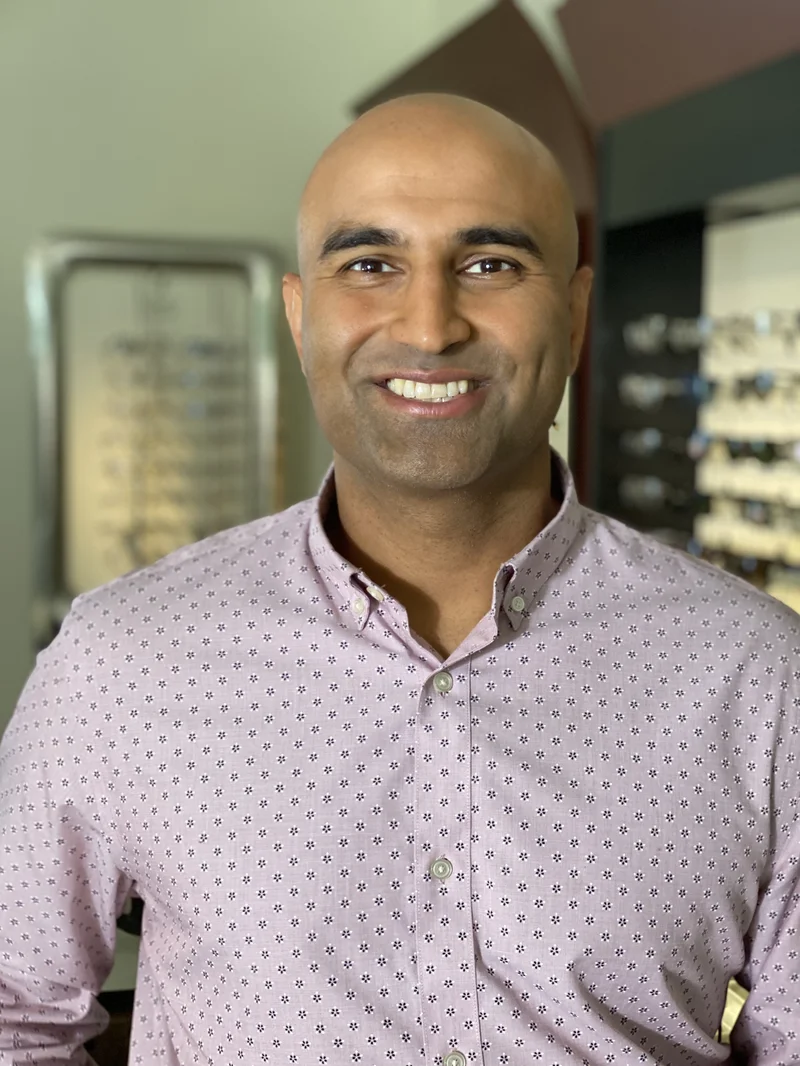

Peter Cass sees six patients an hour. That’s not a typo—six patients per hour, compared to the industry average of 1.2.
He talked about it in Optometry Times, and every time I mention it to colleagues, they assume he’s cutting corners on care. He’s not. He’s optimized everything around the clinical encounter so efficiently that he spends more actual face-time with patients than most docs seeing half the volume.
That kind of efficiency doesn’t happen by accident. It requires ruthless focus on operational excellence—which often means outsourcing the tasks that don’t need to happen on-site. If you’re considering this path, start with our guide to medical receptionist services for optometry.
But here’s what Dr. Cass would tell you (and what I’ve learned the hard way): outsourcing done poorly is worse than not outsourcing at all. Knowing what to look for when selecting a BPO provider is the first step to getting it right. The potential upside is huge—30% cost reduction, 33% revenue increase, those are real numbers from our own practice. The downside, if you screw it up, is chaos.
So let’s talk about the mistakes I’ve seen kill outsourcing initiatives, and how to avoid them.
Mistake #1: Are You Skimping on Documentation?
I get it. Creating SOPs is tedious. Nobody became an optometrist because they love writing procedure manuals.
But here’s what happens when you outsource without proper documentation:
Your remote worker gets a call. Patient wants to know if you can fit them in for an emergency same-day. The answer depends on about fifteen things the remote worker doesn’t know—your definition of “emergency,” your scheduling preferences, your policy on squeezing in existing patients versus new patients, what to do if the doctor’s running behind.
Without documentation, they guess. Sometimes they guess right. Sometimes they tell a patient with a potential retinal tear to come in next week. Sometimes they triple-book your 2 PM slot.
Here’s the fix: before you outsource anything, document the hell out of it.
Every workflow. Every scenario. Every exception. Write it down as if you were explaining it to someone who’s never set foot in an eye care practice. Because that might be exactly who’s reading it.
This takes time upfront. Maybe 20-30 hours to document your core processes properly. But that time investment pays for itself a hundred times over in avoided mistakes.
Mistake #2: Treating Training as Optional
“They’re professionals. They’ll figure it out.”
I’ve heard this from practice owners who wouldn’t dream of letting a new in-office hire figure things out on their own. Somehow, when it’s a remote worker, they expect magic.
Training for outsourced staff needs to be more thorough than for in-office hires, not less. They don’t have the benefit of osmosis—they can’t overhear how things are done, ask a quick question to a colleague, or pick up on unwritten norms by watching others.
What proper training looks like:
Practice-specific training. Not generic call center stuff—training on YOUR systems, YOUR insurance contracts, YOUR scheduling logic. If you use RevolutionEHR, they need to be proficient in RevolutionEHR. If you have a specific insurance verification workflow, they need to know it cold.
Role-playing scenarios. Lots of them. The tricky calls, the upset patients, the complicated scheduling situations. Don’t wait for these to happen in real life.
Ongoing coaching. Training isn’t a one-time event. Review calls weekly. Identify patterns. Correct mistakes before they become habits.
The practices that fail at outsourcing almost always failed at training first.
Mistake #3: Are You Using Generic Solutions?
There’s a temptation to just grab a chatbot or plug in some off-the-shelf scheduling software and call it outsourcing.
These generic solutions have their place. But they break down fast in eye care, where nuance matters.
A chatbot can’t recognize that a patient saying “my vision is acting weird” might be describing a retinal emergency. Generic scheduling software doesn’t understand that a comprehensive exam takes 30 minutes but a contact lens fitting takes 45. Off-the-shelf phone systems don’t know that your practice accepts VSP but not EyeMed.
Whatever you outsource needs to be customized to your practice. That means working with partners who specialize in your industry and are willing to configure their systems to your specific needs.
At MyBCAT, this is literally our entire business model. We don’t do generic. Every practice we work with gets agents trained specifically on their workflows, their systems, their protocols. It takes longer to set up, but it actually works.
Mistake #4: Are You Eliminating Phone Support?
Some practices get excited about digital transformation and decide to go all-in on chatbots, online scheduling, and patient portals. No more phones.
This is a mistake.
Missed calls cost real money—but so do failed digital interactions. And here’s the thing: a significant portion of your patient base, especially older patients, prefers talking to a human. They’re not comfortable with chatbots. They get frustrated with patient portals. They want to call.
If you eliminate that option, you eliminate those patients. They’ll go somewhere else.
The right approach is omnichannel. Give patients options. Some will happily book online at 11 PM. Others will call Monday morning. Meet them where they are.
Whatever channels you offer, make sure they’re all staffed by people (or systems) who actually know your practice. A phone with nobody answering is bad. An online scheduler that double-books appointments is worse.
Mistake #5: Are You Cutting In-Office Staff to the Bone?
Outsourcing should complement your in-office team, not replace it entirely.
Yes, you can shift work off-site. Yes, you can reduce headcount through attrition as roles get automated or outsourced. But if you slash your in-office staff dramatically, you create problems:
Patient experience suffers. Someone needs to be there physically to help patients, handle the unexpected, and provide that human touch.
Flexibility disappears. When something goes wrong (and something always goes wrong), you need people on-site who can adapt.
Institutional knowledge vanishes. Your long-time employees know things that aren’t documented anywhere. Fire them all at once and you lose irreplaceable context.
The smart approach is balance. Keep a core in-office team doing work that truly requires physical presence. Outsource everything else. And make sure the two groups communicate seamlessly.
Mistake #6: Ignoring Patient Feedback During Transition
When you change how things work, patients notice. Sometimes they complain. Sometimes they just quietly leave.
During and after any outsourcing transition, actively collect patient feedback:
- Are calls being handled well?
- Is scheduling smoother or more confusing?
- Do patients feel like they’re getting the same quality of service?
Listen to what they tell you. If multiple patients mention the same issue, that’s real signal. Fix it fast, before word spreads.
And communicate proactively. If patients are going to notice a change, tell them about it positively. “We’ve added extended phone support so you can reach us more easily” sounds a lot better than patients figuring out something’s different and wondering why.
How Do You Get It Right?
Outsourcing works. I’ve seen it work at our own practice and at dozens of others. The cost savings are real. The efficiency gains are real. The ability to scale without proportionally scaling headcount—that’s real too.
But it only works if you do it right.
Invest in documentation. Invest in training. Work with partners who understand your industry. Keep enough in-office staff to maintain quality. Listen to your patients.
Do those things, and outsourcing becomes a competitive advantage. Skip them, and you’re setting yourself up for a mess that takes months to clean up.
We’ve helped optometry practices achieve remarkable results - see how one practice reached a 95% answer rate. If you want to talk through what outsourcing might look like for your specific practice, reach out. We’ve done this enough times to know what works and what doesn’t.