
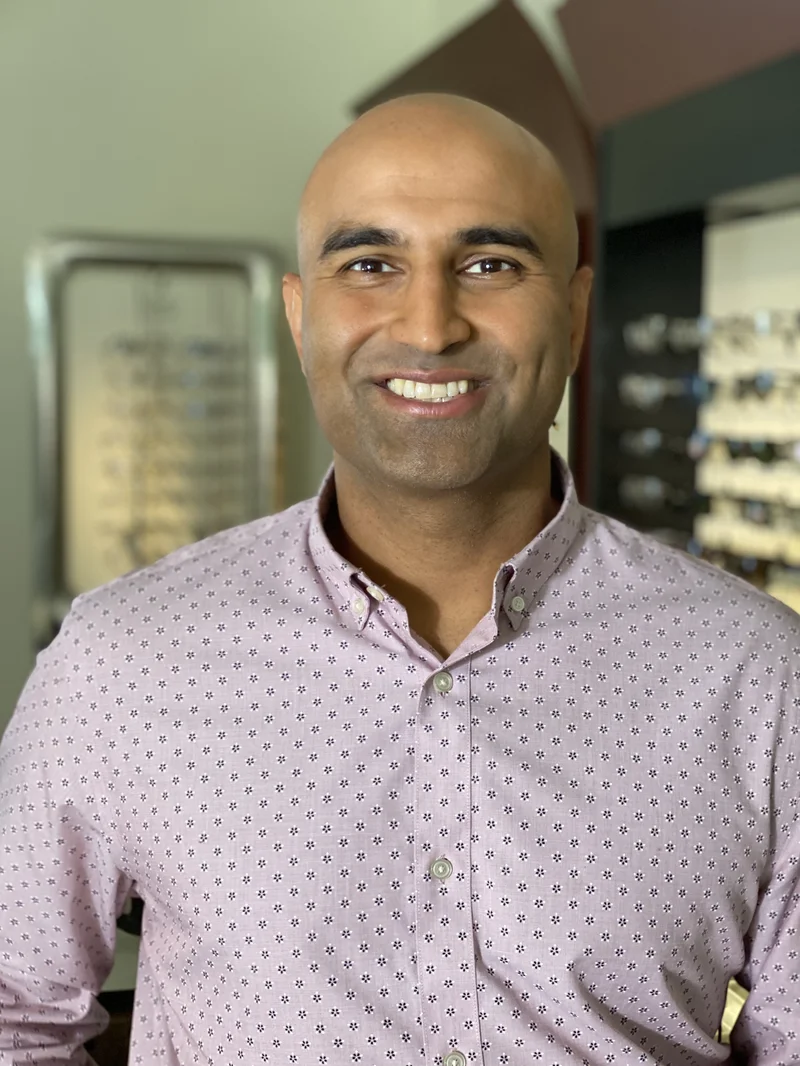

Five years ago, I was stuck.
Classic Vision Care—the practice my wife and I run in Atlanta—was doing fine on paper. Good patient volume. Decent reputation. But every time I looked at the numbers, something was off. We were working harder each year but not really getting ahead.
Payroll kept climbing. Turnover was exhausting. Someone was always calling out sick, quitting with two weeks’ notice, or just not performing. And meanwhile, inflation was eating into our margins.
Then we discovered remote staffing.
I’m not talking about hiring some random freelancer off the internet. I’m talking about building a dedicated remote team—highly trained professionals based in the Philippines who became genuine members of our practice.
The results surprised even me. Our non-doctor payroll dropped by 30%. Our revenue went up by 33%. And I stopped dreading Monday mornings.
Let me break down exactly why this worked.
Reason #1: The Math Actually Makes Sense
Labor costs in the US have been climbing for years. Wages, benefits, payroll taxes—they add up fast. The median salary for a medical receptionist in metro Atlanta is pushing $40K when you factor in everything.
Remote workers from the Philippines—properly trained, English-fluent professionals—cost a fraction of that. We’re talking 40-60% savings, depending on the role and the complexity.
I know what you’re thinking. “You get what you pay for.”
Here’s the thing: in the Philippines, the talent pool for administrative and back-office work is exceptional. English is an official language. The education system emphasizes service industries. And the cost of living is dramatically lower, which means competitive wages there are affordable wages here.
We’re not exploiting anyone. Our remote team members are paid well above market rate for their location. They have stable jobs with good benefits. And we get excellent work at a price that makes our practice sustainable.
Reason #2: Does Your Revenue Actually Go Up?
This was the surprise.
I expected to save money on payroll. I didn’t expect to make more money overall.
But think about it. When you have dedicated staff handling phones, what happens?
More calls get answered. More calls get converted to appointments. Missed calls stop leaking revenue. Recall campaigns actually get done. Patients who fell off the radar get brought back in.
Our remote team doesn’t just answer phones—they actively work to fill the schedule. They follow up on missed appointments. They run recall campaigns for patients overdue for their annual exam. They chase down insurance verifications so patients don’t bail at the front desk.
All of that translates directly to revenue. For us, it was a 33% increase. Your mileage may vary, but the direction will be the same.
Reason #3: Consistency You Can Count On
Hiring is brutal right now. I don’t need to tell you that. You post a job, get a handful of applicants, interview people who don’t show up, hire someone who quits after three months.
Remote staffing solves the pipeline problem. The talent pool is simply larger. When we need to add someone or replace someone, we’re not posting to Indeed and praying—we’re working with established networks of trained professionals who want these jobs and stick with them.
Our remote team members have been with us for years. Not months—years. They know our patients by name. They understand our systems inside and out. That kind of continuity is rare in healthcare admin, and it shows in the quality of service.
Reason #4: Does Your In-Office Team Get Their Sanity Back?
Before remote staffing, our front desk was drowning.
Check-in. Check-out. Phones. Insurance questions. Optical pickups. All at once, constantly. Something was always slipping through the cracks, usually the phones.
Now, our in-office team handles in-person interactions. Period. The phones are covered remotely. Insurance verification is handled remotely. Recall campaigns are handled remotely.
The stress level dropped dramatically. The quality of in-person patient interactions went up. Turnover in our front desk roles went down because the job became actually doable.
Your best people want to do good work. Give them the conditions to do it.
Reason #5: Reliability When You Need It Most
Here’s a scenario that used to terrify me: ice storm rolls through Atlanta, office is closed, phones go to voicemail, patients can’t reach us for two days.
That doesn’t happen anymore.
Our remote team is in the Philippines. They don’t have Atlanta weather. When we’re snowed in, they’re working normally. When someone’s sick and can’t come in, the phones still get answered.
It’s business continuity that we never had before. Patients can always reach us. Emergencies get triaged. The practice doesn’t just stop because of local circumstances.
Reason #6: Can You Actually Scale?
Growing a practice used to mean hiring proportionally more staff, finding more office space, and hoping the revenue kept pace with the expenses.
Remote staffing breaks that equation.
Need more call capacity? Add remote agents without adding desks. Opening a second location? The same remote team can support both sites. Want to extend phone hours to evenings and weekends? Remote staff in different time zones make that trivial.
Scaling with in-house staff is expensive and risky. Scaling with remote staff is flexible and reversible. If something doesn’t work out, you haven’t signed a lease or made a permanent hire.
What Actually Changed for Us?
I want to be specific about what our remote team does, because the details matter.
Inbound calls. Every call to our practice is answered by a remote agent. They schedule appointments, answer questions, triage emergencies, and route complex issues to in-office staff.
Insurance verification. Before a patient comes in, their benefits are verified and documented. No surprises at checkout.
Recall campaigns. Patients who are overdue get called systematically. This alone recovered thousands of dollars in appointments that would have been lost.
Appointment reminders. Confirmation calls and texts reduce no-shows.
After-hours coverage. Patients who call outside business hours get a human, not a voicemail.
All of this is done by people who’ve been trained specifically on our systems (RevolutionEHR), our protocols, and our patient population. From the patient’s perspective, they’re just talking to someone at our practice.
How Do You Get Started?
If this sounds interesting, here’s my advice: don’t try to do it yourself.
Finding reliable remote workers, training them properly, managing them across time zones—it’s a lot. The first time we tried, we stumbled badly. Wrong hires, inadequate training, communication breakdowns.
What worked was partnering with a company that specializes in this. That’s actually why I started MyBCAT—to help other practices avoid the mistakes I made and get straight to the benefits.
We handle the recruiting, training, management, and quality control. You get dedicated agents who know eye care and integrate with your existing team.
We’ve helped optometry practices achieve remarkable results - see how one practice reached a 95% answer rate. If you want to explore what this might look like for your practice, let’s talk. I’ve been in your shoes. I know what works.