
Texas is the second-largest veterinary market in the country, with rapid consolidation and strong independent groups competing for pet owners. From Houston’s sprawling suburbs to Austin’s tech-savvy pet parents, Texas veterinary practices face unique challenges that generic call services do not understand. Here is what Texas veterinary groups need from their intake partners.
Table of Contents
- What Does the Texas Veterinary Market Look Like?
- Why Do Texas Vet Groups Face Unique Challenges?
- What Do Texas Veterinary Groups Need?
- What Are the Regional Considerations Across Texas?
- What Texas-Specific Veterinary Capabilities Are Required?
- Case: Texas Veterinary Group Results
- How Do You Get Started?
What Does the Texas Veterinary Market Look Like?
Texas ranks second nationally in veterinary practice count and leads in growth rate. The state’s combination of high pet ownership, population growth, and diverse practice types creates both opportunity and complexity.
Market Statistics
| Metric | Texas | National Average |
|---|---|---|
| Veterinary Practices | 4,500+ | N/A |
| Pet Ownership Rate | 67% | 62% |
| Average Revenue/Practice | $1.8M | $1.6M |
| Market Growth Rate | 8%/year | 5%/year |
How Active Is Consolidation in Texas?
Major consolidators are active in Texas:
Mars Veterinary Health (VCA, Banfield): Significant Texas presence. NVA: Growing footprint across major metros. Regional Groups: Strong independent multi-location operators.
This consolidation creates pressure on remaining independents and multi-location groups to improve operational efficiency.
Why Do Texas Vet Groups Face Unique Challenges?
How Do Extreme Weather Events Affect Call Volume?
Texas weather creates unpredictable call volume spikes:
Hurricane Season: Gulf Coast practices face evacuation-related calls, lost pet inquiries, and post-storm emergency surges.
Winter Storms: As 2021 demonstrated, Texas infrastructure can fail in extreme cold. Pet emergencies spike, power outages disrupt operations.
Summer Heat: Heat stroke in pets creates seasonal emergency patterns. July-August see elevated urgent call volume.
Tornado Season: North Texas practices deal with storm-related emergencies and displaced pet owners.
Standard answering services are not equipped to handle these Texas-specific surge patterns.
How Does Geographic Spread Affect Texas Vet Groups?
A Texas veterinary group might span markets that are 5+ hours apart by car:
| Route | Distance | Drive Time |
|---|---|---|
| Houston to Dallas | 240 miles | 3.5 hours |
| Dallas to Austin | 195 miles | 3 hours |
| Austin to San Antonio | 80 miles | 1.5 hours |
| Houston to San Antonio | 200 miles | 3 hours |
Managing consistent intake across this geography without centralized solutions is extremely difficult.
How Does the DVM Shortage Impact Texas Practices?
Texas faces a significant veterinarian shortage, particularly in rural areas. The result: practices cannot staff after-hours with DVMs, but pet owners still call. Groups need triage solutions that protect DVM time while providing appropriate guidance.
Why Is Mixed Practice Prevalence a Factor?
Texas has more large animal and mixed practices than most states. Intake teams may need to handle:
Small animal appointments (dogs, cats). Large animal farm calls (cattle, horses). Emergency triage across species. Boarding and grooming (common in Texas).
Generic veterinary answering services focus on small animal practices. Texas requires broader capability.
What Do Texas Veterinary Groups Need?
What Does True Veterinary Triage Look Like?
Texas pet owners expect guidance when they call, not just message-taking. Effective Texas veterinary intake requires:
Symptom assessment capability: Trained triage to identify true emergencies versus situations that can wait for regular hours.
Emergency routing: When cases are emergencies, warm transfer to the nearest emergency clinic with case information.
Species-appropriate guidance: Understanding that a colicking horse is different from a vomiting dog.
Regional resource knowledge: Know which emergency clinics serve which areas across Texas.
What Does After-Hours Coverage Look Like?
With DVM shortages, most Texas groups cannot sustain DVM on-call for every location. They need:
Non-DVM triage for routine after-hours calls. Clear protocols for emergency escalation. Appointment capture for next-day scheduling. Pet owner reassurance that does not require a veterinarian.
Why Is Spanish Language Support Essential?
Texas demographics require Spanish-language capability:
30%+ of Texas population is Hispanic. Higher percentages in Houston, San Antonio, and border regions. Spanish-speaking pet owners have same pet care needs.
A Texas veterinary call service without Spanish capability loses significant revenue.
Which Veterinary Systems Require Integration?
Texas practices use standard veterinary practice management systems:
AVImark. Cornerstone. eVetPractice. Impromed. Vetspire.
Real-time scheduling requires integration with these platforms, not generic appointment-taking.
What Are the Regional Considerations Across Texas?
Houston Metro
Texas’s largest metro and largest veterinary market. Characteristics include:
Diverse demographics: Significant Spanish, Vietnamese, Chinese language needs. Hurricane exposure: Gulf Coast practices need surge capacity. Suburban sprawl: Pet owners often 30+ minutes from nearest emergency clinic. High competition: Dense practice concentration in affluent areas.
Dallas-Fort Worth
Fastest-growing Texas metro. Key factors:
Suburban expansion: New housing developments outpacing veterinary capacity. Severe weather: Tornado alley, winter storm vulnerability. Corporate headquarters: High-income pet owners with high expectations. Emergency clinic concentration: Multiple 24-hour options in metro.
Austin
Tech capital with distinctive pet culture:
Tech-savvy pet owners: Expect online booking, digital communication. High pet attachment: “Pets are family” culture stronger than average. Younger demographics: Millennial and Gen Z pet owners. Rapid growth: Veterinary supply not keeping pace with demand.
San Antonio
Military and Hispanic influences:
Military presence: Transfers create new patient flow, departures create churn. Spanish essential: Higher percentage Spanish-speaking than other Texas metros. Working class/military income: Price sensitivity on some services. Growing consolidation: Corporate groups acquiring established practices.
Rural Texas
Distinct from metro markets:
Mixed practice prevalence: Large animal alongside small animal. Limited emergency options: Nearest ER may be 1-2 hours away. Tighter communities: Relationships matter more than in metros. Staffing challenges: Harder to recruit and retain DVMs and staff.
What Texas-Specific Veterinary Capabilities Are Required?
Emergency Triage Protocols
Texas veterinary intake requires protocols for:
| Scenario | Required Response |
|---|---|
| Suspected heat stroke | High urgency, immediate ER routing |
| Rattlesnake bite | Regional antivenom availability knowledge |
| Bloat symptoms | Emergency routing with time criticality |
| Colic (horse) | Large animal emergency protocol |
| Hurricane displacement | Lost pet procedures, boarding availability |
Weather Event Surge Handling
Texas call services need capacity to handle:
3-5x normal volume during weather events. Extended hours during storm recovery. Lost/found pet intake during disasters. Coordination with animal services.
Large Animal Capability
For Texas mixed practices:
Farm call scheduling. Species-specific intake questions. Emergency protocols for livestock. Understanding of agricultural client needs.
Language Coverage
| Language | Requirement | Key Markets |
|---|---|---|
| English | 100% | All Texas |
| Spanish | Essential | All Texas markets |
Case: Texas Veterinary Group Results
Client Profile
A 9-location veterinary group operating across Houston, Austin, and San Antonio. Mix of general practice and emergency services. Growing through acquisition with plans for 3-4 new locations per year.
The Challenge
68% call answer rate during business hours. No after-hours coverage except voicemail. Spanish-speaking callers frequently abandoned. Hurricane Harvey exposed complete lack of surge capacity. Each location handled calls differently.
The Solution
Implemented Texas-specific veterinary intake solution:
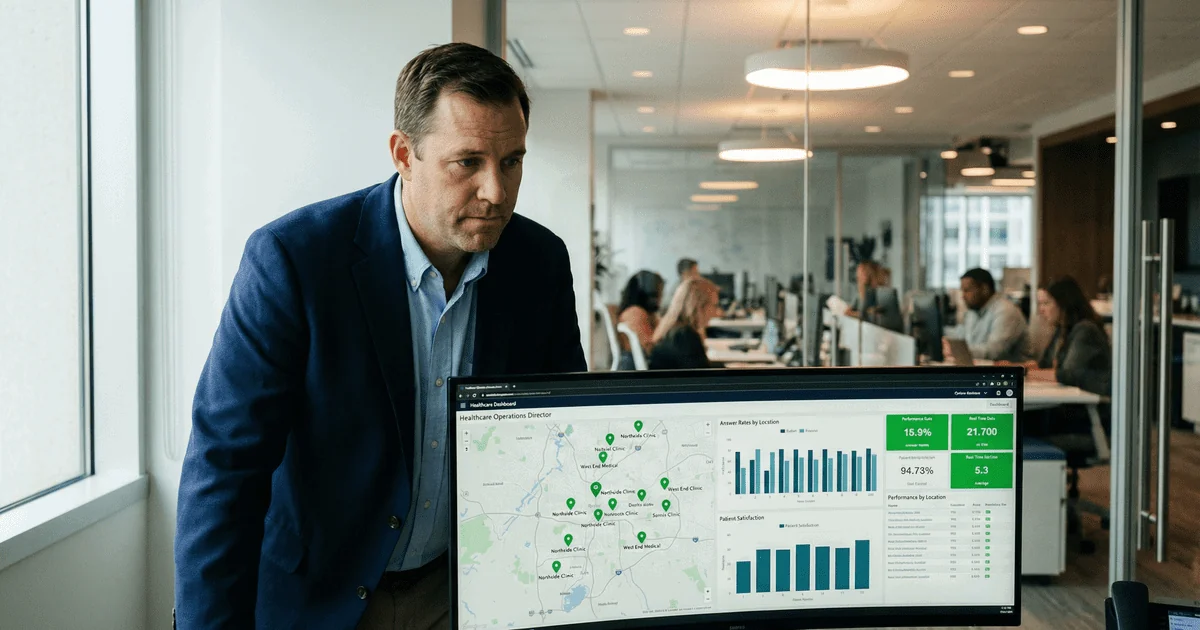
Veterinary triage protocols for all locations. Spanish-language support across all calls. After-hours coverage with emergency triage. Weather event surge capacity. Unified dashboard across Texas locations.
Results (6 Months)
| Metric | Before | After | Change |
|---|---|---|---|
| Call Answer Rate | 68% | 94% | +38% |
| After-Hours Capture | 0% | 62% | New |
| Spanish Call Resolution | 35% | 91% | +160% |
| Emergency Triage Accuracy | N/A | 94% | New |
| New Patient Conversion | 54% | 68% | +26% |
| Monthly New Clients | 156 | 234 | +50% |
Revenue Impact
Additional 78 new clients per month. Average new client LTV: $2,000. Monthly revenue increase: $156,000. Annual revenue increase: $1.87M.
Weather Event Performance
During a 2025 winter storm:
Call volume: 340% of normal. Answer rate maintained: 91%. After-hours appointments scheduled: 127. Emergency routing success: 100%.
How Do You Get Started?
What Should You Expect?
Week 1: Texas-Specific Discovery Audit of current call handling across locations. Practice management system assessment. Regional coverage requirements analysis. Large animal / mixed practice needs evaluation. Emergency protocol review.
Week 2-3: Configuration Texas-specific triage protocol setup. Location-specific routing rules. Spanish-language coverage configuration. After-hours workflow design. Emergency clinic routing setup.
Week 4: Go-Live Phased rollout across Texas locations. Real-time monitoring and adjustment. Performance baseline establishment. Staff training on new workflows.
Ongoing: Texas Optimization Weekly performance reviews. Weather event preparedness maintenance. Continuous improvement based on Texas patterns. Scaling support as you add Texas locations.
Why Do Texas Veterinary Groups Choose Us?
- Texas market expertise: We understand Texas veterinary operations, from Houston’s diverse population to rural mixed practices
- True veterinary triage: Trained protocols for Texas-specific scenarios including heat stroke, snake bites, and large animal emergencies
- Spanish as standard: Every caller can reach a Spanish-speaking representative
- Weather surge capacity: Built for Texas weather events, not caught off-guard by them
- Multi-location experience: Designed for groups managing 5+ Texas locations
- Veterinary PM integration: Real-time scheduling with the systems Texas practices use
Veterinary practices lose revenue every time a call goes to voicemail. Talk to our team about how MyBCAT keeps your phones covered so pet owners always reach a live person.
Related Reading
- veterinary emergency triage protocols
- after-hours veterinary call management
- animal hospital patient intake
- multi-location healthcare intake guide