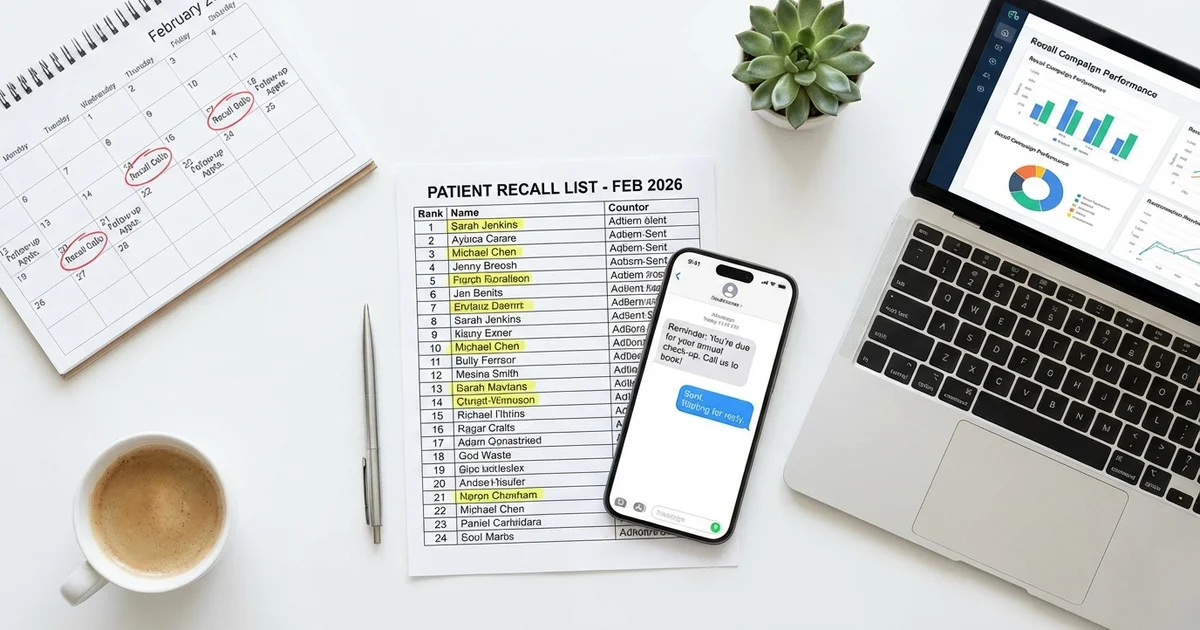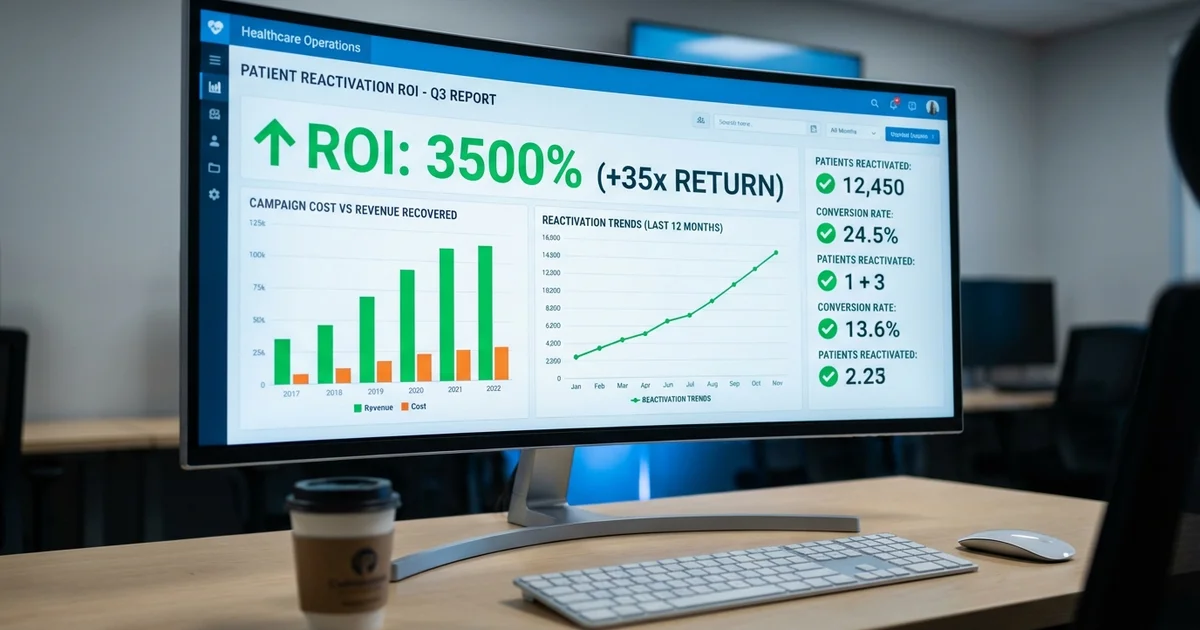

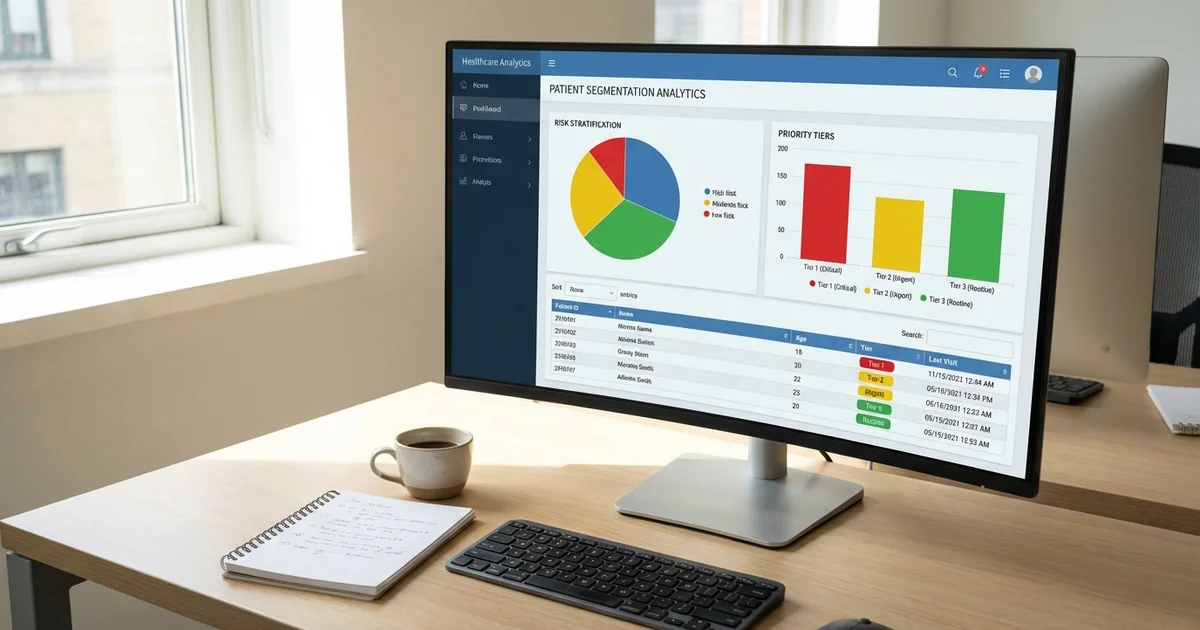
When facing a recall list of 500 overdue patients, the instinct is to start at the top and work down alphabetically. This is one of the most common, and costly, mistakes in patient recall. Not all patients are equal, and treating them as such wastes time on low-probability contacts while high-value opportunities slip away. Segmentation is a critical step within any recall campaign framework, and it answers the fundamental question: who should we call first, and why?
Table of Contents
- Why Does Segmentation Matter for Patient Recall?
- What Are the Five Segmentation Dimensions?
- How Do You Build a Prioritization Matrix?
- How Does Segmentation Work in Practice?
- What Messaging Works for Each Segment?
- How Do You Measure Segmentation Effectiveness?
- What Common Segmentation Mistakes Should You Avoid?
Why Does Segmentation Matter for Patient Recall?
Recall outreach capacity is finite. Most practices can make 50-100 quality outreach attempts per day. With 500 overdue patients, that is a full week of work, and by week’s end, some patients have become even harder to reach.
The segmentation advantage:
| Approach | Conversion Rate | Revenue/100 Contacts |
|---|---|---|
| Alphabetical (random) | 12-15% | $4,200-5,250 |
| Recency-based | 18-22% | $6,300-7,700 |
| Value + Recency | 22-28% | $7,700-9,800 |
| Full prioritization | 25-32% | $8,750-11,200 |
The math of prioritization:
Random Selection (100 attempts)
- Conversion: 15 patients scheduled
- Average revenue: $350
- Total: $5,250
Optimized Segmentation (100 attempts)
- Conversion: 28 patients scheduled
- Average revenue: $350 (higher-value mix)
- Total: $9,800+
Same effort, nearly double the result. Segmentation is not about working harder. It is about working smarter.
What Are the Five Segmentation Dimensions?
Effective recall segmentation considers five key dimensions:
1. Recency: When Did They Last Visit?
The most powerful predictor of recall success is how recently the patient was active.
Recency tiers:
| Tier | Months Since Visit | Contact Rate | Scheduling Rate |
|---|---|---|---|
| Just due | 6-12 months | 70-80% | 65-75% |
| Recently lapsed | 12-18 months | 55-65% | 45-55% |
| Dormant | 18-24 months | 40-50% | 25-35% |
| Long dormant | 24+ months | 25-35% | 12-20% |
Recency rule: Patients in the “just due” tier should always be prioritized over longer-lapsed patients, regardless of other factors.
2. Value: What Are They Worth?
Patient value varies significantly. High-value patients justify more outreach effort.
Value calculation:
Patient Value Formula
Patient Value = Historical Revenue + Future Potential + Referral Value
Value segmentation:
| Segment | Characteristics | Priority Weight |
|---|---|---|
| High value | $1,000+ annual spend, comprehensive care | 3x |
| Medium value | $400-1,000 annual, regular preventive | 2x |
| Low value | <$400 annual, infrequent, minimal treatment | 1x |
Practical value indicators:
- Treatment history (restorative, cosmetic, specialty)
- Insurance coverage (PPO vs. HMO vs. fee-for-service)
- Family connections (heads of household)
- Referral history
3. Engagement: How Do They Respond?
Past behavior predicts future behavior. Patients with strong engagement history respond better.
Engagement indicators:
| Signal | High Engagement | Low Engagement |
|---|---|---|
| Appointment history | Keeps appointments, rarely cancels | Frequent no-shows, late cancels |
| Communication response | Replies to texts, answers calls | Ignores outreach, changed numbers |
| Online activity | Uses patient portal, books online | No digital engagement |
| Payment behavior | Pays promptly, no collections | Outstanding balances, slow pay |
Engagement scoring (0-10):
- 8-10: Highly engaged, prioritize
- 5-7: Moderately engaged, standard priority
- 0-4: Low engagement, deprioritize or different approach
4. Risk: What Are the Clinical Implications?
Some patients have clinical reasons for more urgent recall.
Risk factors for prioritization:
| Condition | Recall Urgency | Prioritization |
|---|---|---|
| Periodontal disease (active) | 3-4 month | High |
| High caries risk | 4-6 month | High |
| Diabetic patient | 3-4 month | High |
| Post-treatment monitoring | Per treatment | High |
| Healthy, low risk | 6-12 month | Standard |
Risk-based sequencing: Patients with clinical urgency may warrant outreach even if other factors are unfavorable, but balance with practical reachability.
5. Reachability: Can You Actually Contact Them?
Some patients are simply harder to reach. Factor this into prioritization.
Reachability indicators:
| Factor | High Reachability | Low Reachability |
|---|---|---|
| Contact info | Verified cell, responds to text | Landline only, old info |
| Contact history | Answers on first attempt | Never answers, no callback |
| Schedule flexibility | Flexible availability | Very limited windows |
| Location | Still in area | May have moved |
Reachability rule: A high-value patient you cannot reach is worth less than a medium-value patient who answers immediately.
How Do You Build a Prioritization Matrix?
Combine dimensions into a prioritization score:
What Does the Basic Scoring Model Look Like?
Priority Scoring Formula
Where each dimension is scored 1-5 (5 = Highest priority indicator, 1 = Lowest)
Priority Score = (Recency x 3) + (Value x 2) + (Engagement x 1.5) + (Risk x 1) + (Reachability x 1.5)
How Does Simplified Tier Assignment Work?
For practices without sophisticated scoring systems, use this matrix:
Tier 1 (Contact First):
- 6-12 months overdue AND high/medium value
- Any recency with high clinical risk
- Previously engaged patients just coming due
Tier 2 (Contact Second):
- 12-18 months overdue, any value
- 6-12 months overdue, low value but high engagement
- Medium value, moderate engagement
Tier 3 (Contact Third):
- 18-24 months overdue
- Low engagement history
- Low value without mitigating factors
Tier 4 (Contact Last or Alternative Channel):
- 24+ months overdue
- No response to previous attempts
- Contact info likely outdated
- Consider: direct mail, email campaign, or archive
How Does Segmentation Work in Practice?
Step 1: Export and Clean Your List
Pull all patients due or overdue for recall:
- Include: Last visit date, total revenue, contact info, notes
- Clean: Remove deceased, moved, do-not-contact
- Verify: Check for updated contact information
Step 2: Apply Segmentation Criteria
Create columns for each dimension and score or categorize:
| Patient | Recency | Value | Engagement | Risk | Reachability | Tier |
|---|---|---|---|---|---|---|
| Smith, J | 8 mo | High | High | Med | High | 1 |
| Jones, M | 14 mo | Med | Med | Low | Med | 2 |
| Brown, A | 22 mo | Low | Low | Low | Low | 4 |
Step 3: Sort and Assign
Sort by tier, then within tier by secondary priority (usually value).
Assignment distribution:
| Week | Focus | Expected Yield |
|---|---|---|
| Week 1 | Tier 1 (100 patients) | 25-32 scheduled |
| Week 2 | Tier 2 (150 patients) | 27-38 scheduled |
| Week 3 | Tier 3 (150 patients) | 22-30 scheduled |
| Week 4 | Tier 4 (100 patients) | 8-15 scheduled |
Step 4: Tailor Approach by Segment
Different segments warrant different approaches:
| Tier | Primary Channel | Message Tone | Offer |
|---|---|---|---|
| 1 | Phone + SMS | Warm, personal | Convenience focus |
| 2 | SMS + Email | Friendly reminder | Value reminder |
| 3 | Email + SMS | Re-engagement | May include incentive |
| 4 | Email + Mail | Win-back | Incentive appropriate |
What Messaging Works for Each Segment?
Tier 1: Just Due, High Value
SMS Template
"Hi [Name], it's time for your [cleaning/exam]! We have openings this week, Dr. [Name] is looking forward to seeing you. Reply with a good day/time and I'll confirm your appointment."
Tone: Personal, assumes they want to come, removes friction
Tier 2: Recently Lapsed, Medium Value
SMS Template
"Hi [Name], we noticed it's been a while since your last visit at [Practice]. Regular [dental/eye] care helps catch small issues early. We have flexible scheduling. When works best for you?"
Tone: Gentle reminder, emphasizes value of preventive care
Tier 3: Dormant, Lower Value
Email Template
"Hi [Name], we've missed seeing you at [Practice]! It's been [X months] since your last visit. Your oral health matters to us, and we'd love to help you get back on track. Click here to see available appointments."
Tone: We miss you, easy to respond
Tier 4: Long Dormant, Low Engagement
Postcard Message
"We Miss You, [Name]!
It's been too long since we've seen you at [Practice Name]. Schedule your appointment this month and receive [offer]. Call [number] or scan the QR code to book."
Tone: Win-back, incentive-driven, physical touchpoint
How Do You Measure Segmentation Effectiveness?
Track performance by segment to refine your approach:
Weekly segment performance:
| Segment | Contacts | Responses | Scheduled | Rate | Revenue |
|---|---|---|---|---|---|
| Tier 1 | 50 | 38 | 24 | 48% | $8,400 |
| Tier 2 | 75 | 42 | 22 | 29% | $7,700 |
| Tier 3 | 60 | 25 | 12 | 20% | $4,200 |
| Tier 4 | 40 | 10 | 4 | 10% | $1,400 |
Insights from data:
- Tier 1 converts at nearly 5x Tier 4. Prioritization is working
- Tier 2 volume justifies dedicated capacity given reasonable conversion
- Tier 4 may need different channel or be deprioritized further
What Common Segmentation Mistakes Should You Avoid?
Mistake 1: Over-Complicating the Model
Problem: Analysis paralysis with 20 segmentation factors
Fix: Start with recency and value. These drive 80% of results. Add complexity only when basic model is working.
Mistake 2: Static Segmentation
Problem: Segment once, never update
Fix: Re-segment monthly as patients move between tiers (recent → lapsed → dormant).
Mistake 3: Ignoring Engagement History
Problem: Calling chronic no-shows before reliable patients
Fix: Weight engagement history (a medium-value engaged patient beats a high-value non-responder).
Mistake 4: Same Approach for All Segments
Problem: Generic message to all patients regardless of segment
Fix: Tailor message, channel, and offer by segment characteristics.
Key Takeaways
Effective recall segmentation prioritizes patients based on:
Primary factors:
- Recency (most predictive)
- Value (highest ROI)
- Engagement (likelihood to respond)
Secondary factors:
- Clinical risk (urgency)
- Reachability (practical contact probability)
Implementation approach:
- Export and clean your list
- Score or tier each patient
- Sort by priority
- Tailor outreach by segment
- Track results and refine
Expected outcomes with segmentation:
- 50-100% improvement in conversion rates
- Higher revenue per outreach hour
- Better allocation of limited staff time
- More satisfied patients (right message, right time)
The question is not whether to do recall. It is who to recall first. Segmentation provides the answer.
For calculating the ROI of your reactivation efforts, see our patient reactivation ROI guide. For the complete campaign framework, review our patient recall campaign framework.
Related Reading
- Patient Recall Solution
- Reactivation Call Centers for Multi-Location Medical Groups
- Reactivation Text Templates: SMS Scripts That Work
- Reactivation Campaign KPIs: Metrics for Multi-Location Groups
Reactivating dormant patients is one of the highest-ROI investments a practice can make. Talk to our team about how MyBCAT combines call answering with patient recall to keep your schedule full.
Sources
- Practice Numbers: Dental Recall Systems Strategies
- Axle: Patient Retention Strategies in Dentistry
- Adit: Patient Retention Strategies Dental Recall
- NexHealth: Dental Recall Software Systems
- Arini AI: Improve Patient Retention Recall Rate
- Yapi: Dental Patient Communication System
- Practice Analytics: Improving Patient Recall